Recurring cleaning: the advantages that pay off in Portugal

Yes: for most busy families and homeowners in Portugal, a recurring cleaning plan pays off. It saves between three to five hours a week, reduces dust and mites that affect indoor air quality, and prevents surface deterioration that occasional cleaning cannot stop. Those who benefit the most are families with little free time, landlords renting properties, and people with respiratory allergies.
In summary:
- Recurring cleaning plans save between three to five hours weekly and improve indoor air quality.
- Regular cleaning prevents damage and buildup of grease or limescale that costs more to treat later.
- Serious companies offer documented checklists, fixed teams, and ensure quick replacements in the absence of the usual professional.
- Costs range from €6 to €15 per hour, being more economical per visit the higher the frequency of the plan.
- For greater security, ask for proof of insurance, references, and confirm what is included before hiring.
Index
- What are the advantages of a recurring cleaning plan?
- What does a recurring cleaning plan include and what is excluded?
- Recommended frequency and what it means for the price
- How to choose the right plan and what questions to ask
- What ensures continuity and quality in a serious cleaning service
- What Cleaning Point learned about when recurrence pays off more
- Recurring plans available in Lisbon
- Sources
- Frequently asked questions
What are the advantages of a recurring cleaning plan?
The most obvious advantage is the time regained. A person who cleans their own home regularly spends several hours a week vacuuming, washing bathrooms, and organizing the kitchen. Spread over a month, these hours amount to a significant part of the time that can be dedicated to something else: family, leisure, or simply resting. Hiring a professional saves time and reduces stress so that, in the long run, it compensates for the financial investment.
There is also a health effect that few people associate with house cleaning. Regularity reduces the accumulation of dust and mites, which improves indoor air quality and helps prevent allergies when the service is done with consistent frequency rather than sporadically. This is particularly important in small apartments or those with little ventilation, where dust accumulates faster than one might think.
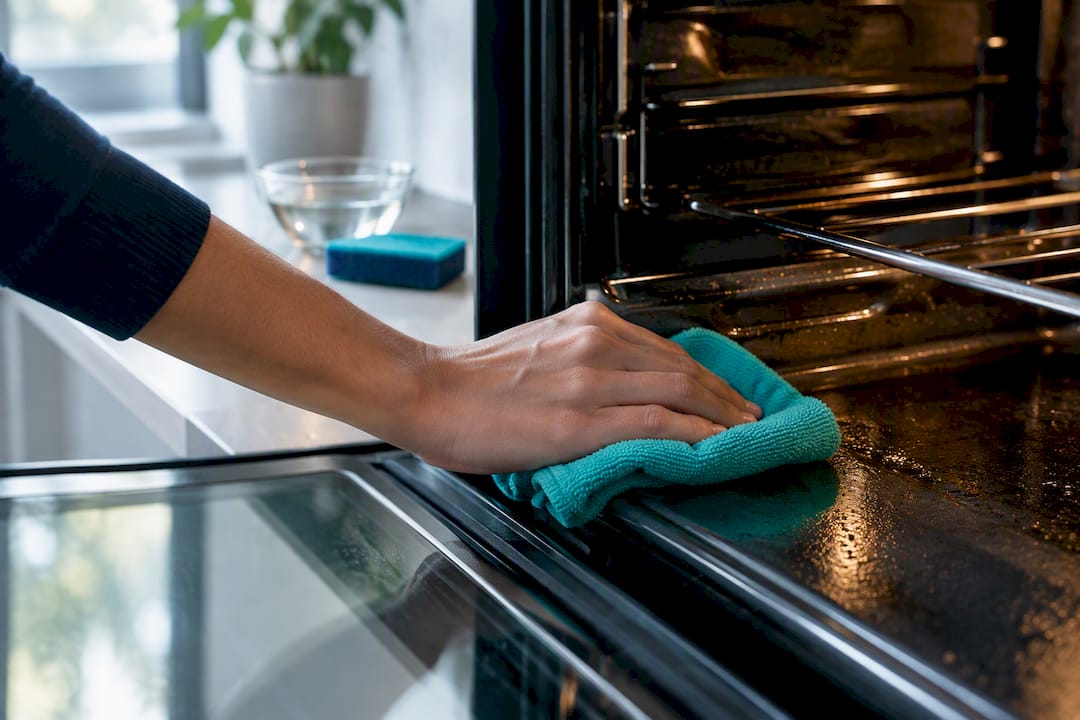
Preventive maintenance is the least talked about benefit, but perhaps the most valuable in the long run. Limescale buildup on taps, ingrained grease in the oven, or mold settling in a corner of tiles are problems that worsen over time and whose late treatment costs much more than regular prevention. A recurring cleaning intercepts these issues before they become permanent damage to surfaces and equipment.
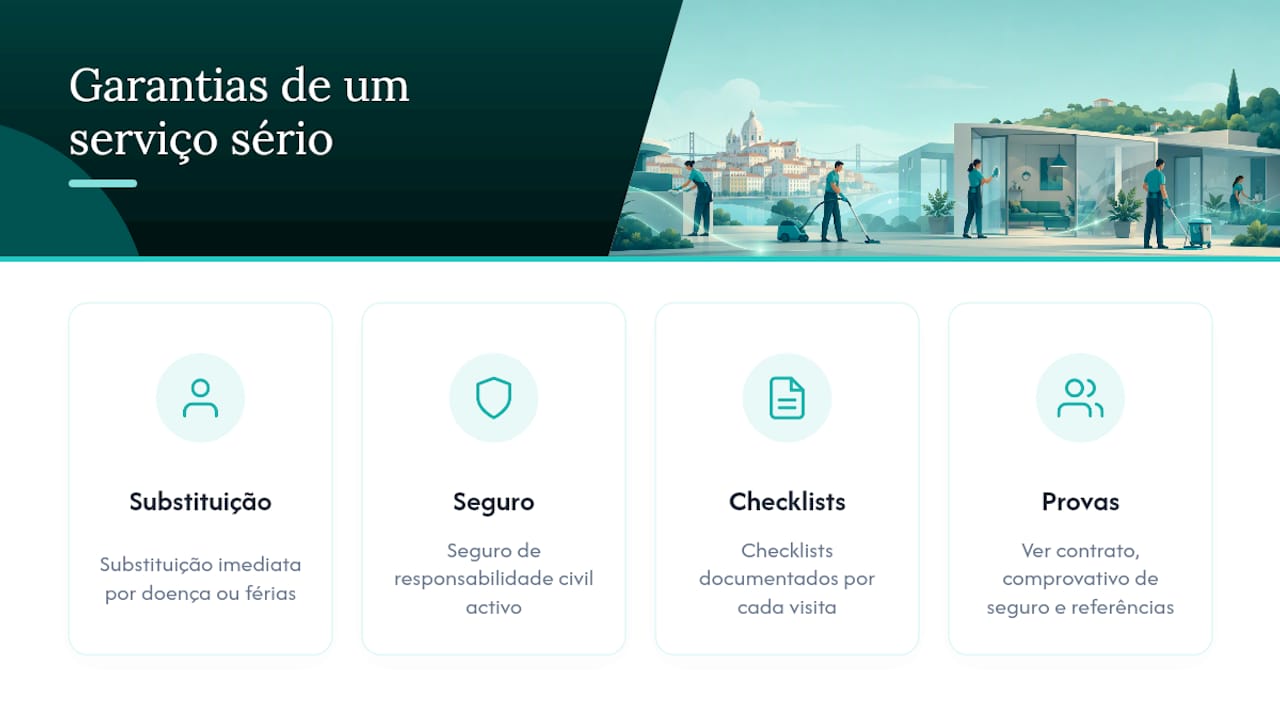
Then there is the issue of consistency. A serious company works with documented checklists, trains its teams, and ensures replacement in case of absence of the usual professional. This translates into predictable results, visit after visit, instead of the Russian roulette of hiring someone different every time help is needed.
The practical advantages of a recurring plan can be summarized as follows:
- Time regained weekly, without the need to organize cleaning between commitments.
- Reduction of allergens and measurable improvement in indoor air quality.
- Prevention of damage to surfaces, appliances, and finishes.
- Consistent team and quality standards between visits.
- Discounts, priority scheduling, and personalized packages may be available for loyal customers.
Professional tip: Before signing a monthly plan, request a first isolated visit to assess the team's work. It is the simplest way to confirm if the quality standard matches what was promised, without any long-term commitment.
What does a recurring cleaning plan include and what is excluded?
Most plans follow a fairly standardized format, making it easier to compare proposals from different companies.
- Tasks typically included: vacuuming and washing floors, cleaning surfaces and furniture, kitchen (countertops, hob, exterior of appliances), complete bathrooms, rubbish collection, and, when agreed in advance, changing bed linen.
- Common exclusions: cleaning the inside of cupboards and drawers, washing exterior facades, moving heavy furniture, and cleaning windows at height without proper equipment.
- Negotiable extras: oven cleaning, upholstery, windows, laundry, and balconies usually come as additional services, charged separately from the base plan.
It is worth distinguishing regular maintenance from deep cleaning. The former keeps the house in good condition week after week; the latter tackles old accumulations — grease in the oven for months, ingrained limescale, forgotten corners — and is usually requested once or twice a year, or before specific events like hosting guests or moving house. Plans and task lists vary between providers, so it is always worth confirming in writing what is included before signing. Documenting the agreed extras avoids misunderstandings on the first invoice.
Recommended frequency and what it means for the price
The right frequency depends on the profile of the house, not a fixed rule. A family with small children or pets tends to need weekly cleaning. A couple without children or an apartment that is little inhabited during the week may do well with a biweekly visit. For second homes or holiday houses, a monthly plan is usually sufficient between stays.
In Portugal, industry platforms indicate price ranges typically between €6 and €15 per hour, with averages close to €7 per hour, varying according to the city, type of service, and number of bathrooms and kitchens.
Frequency directly affects the cost per visit. Since the intervention time is shorter when the house is already in good condition, recurring visits tend to be quicker and, therefore, cheaper per hour than a one-off cleaning that starts from a neglected house. A one-off deep cleaning, especially in houses, can easily exceed €200, while the annual cost of a well-adjusted recurring plan usually remains below the sum of several spaced deep cleanings throughout the year. Always ask for total transparency about what is included in the price before comparing proposals.
How to choose the right plan and what questions to ask
Choosing well starts with asking for concrete proof, not vague promises. A mature company shows its work checklist without hesitation and clearly explains the replacement policy in case of absence.
Before signing any contract, it is worth confirming:
- Is there liability insurance that covers accidental damage during the service?
- Is there a guarantee of immediate replacement if the usual professional is absent?
- Is the team fixed or does it change with each visit?
- What is the rescheduling and cancellation policy?
- What extras are available and how are they charged?
Avoid proposals with prices far below the average without justification, absence of a written contract, or inability to show verifiable references. Requesting a sample checklist and the description of the replacement policy gives an immediate idea of the operational maturity of the company you are hiring.
Professional tip: Score each proposal from 1 to 5 on five criteria: insurance, replacement, checklist, references, and price clarity. The final sum quickly reveals which supplier deserves more trust, without relying solely on the first impression.
What ensures continuity and quality in a serious cleaning service
Continuity is not by chance. Serious companies ensure immediate replacement when the usual professional is sick or on holiday and maintain active liability insurance to cover any damages during the service. Documented checklists per visit ensure that nothing is left to the memory of each worker.
When evaluating a supplier, ask to see the complete contract, proof of insurance, and, if possible, references from recurring clients in your area. Testimonials from those who have been using the service for months are worth more than any commercial promise.
What Cleaning Point learned about when recurrence pays off more
The profiles that benefit the most are families with tight schedules and landlords who need to keep properties always presentable. The practical recommendation is simple: start with a plan of one to two months, evaluate the results visit by visit, and adjust the frequency afterward. Observing the pattern over this period says more than any initial promise.
— Taras
Recurring plans available in Lisbon
A cleaning company can be an alternative to set up the cleaning calendar: with a fixed team whenever possible, clear checklists per visit, and no surprises on the invoice. The professional home cleaning service covers regular maintenance and is complemented by periodic deep cleanings when the house needs more intense treatment.
For those who want specific extras, such as oven, upholstery, or windows, there are additional options that can be added to the base plan without complicating the contract. The policy may allow adjusting frequency, canceling with prior notice, and customizing the plan according to the season or occupancy of the house. To decide which frequency makes the most sense for your division, the house cleaning calendar helps to understand the right rhythm before booking the first visit.
Sources
- The benefits of hiring a cleaning professional: Is it worth it?
- How much does home cleaning cost? Free quote
- What services does a professional cleaning company offer? | Supervivo
Frequently asked questions
What does a deep cleaning include?
A deep cleaning tackles old accumulations: ingrained grease in the oven, limescale on taps and tiles, corners and skirting boards forgotten in weekly cleaning. It is usually done once or twice a year or before specific occasions, such as moving house.
What are the advantages of steam cleaning?
Steam cleaning removes grease and limescale without harsh chemicals, which is useful in kitchens and bathrooms. It works better as a complement to a one-off deep cleaning than as a sole method of weekly maintenance.
How much does a cleaning company charge?
In Portugal, the most cited ranges by industry platforms are between €6 and €15 per hour, with averages close to €7 per hour, varying with the city and type of service. Cleaning Point provides updated prices directly on the services website.
How does recurring cleaning work in practice?
The company schedules visits with a fixed frequency (weekly, biweekly, or monthly), can follow a standardized checklist, and maintains, whenever possible, the same team at each visit. This reduces the time per intervention and keeps the house consistently in good condition.
Is it worth signing a monthly plan instead of one-off cleanings?
For houses that are little inhabited during the week, a monthly plan is usually sufficient and is cheaper than adding several one-off cleanings throughout the year. For families or houses with greater daily use, shorter frequencies pay off more in terms of maintenance.